

Introduction
Artificial intelligence (AI) is transforming industries worldwide, and the wine industry is no exception. From grape cultivation to wine production, packaging, marketing, and customer experiences, AI is introducing innovative ways to improve efficiency and quality. As consumer preferences continue to evolve, wineries are exploring advanced technologies to remain competitive and meet market demands. AI is expected to play an important role in shaping the future of winemaking by helping producers make smarter decisions, reduce waste, and deliver better products.
How AI Is Transforming Vineyard Management
Managing a vineyard requires careful attention to weather conditions, soil quality, irrigation, and grape health. AI-powered tools can analyze data collected through sensors, drones, and satellite images to help vineyard owners monitor their crops. These technologies can identify signs of plant diseases, pest infestations, and water shortages before they become serious problems.
With accurate information, farmers can make timely decisions about irrigation, fertilization, and crop protection. AI can also analyze weather patterns and predict potential risks, allowing vineyard managers to prepare for changing environmental conditions. This approach helps improve grape quality while reducing unnecessary resource consumption.
Improving Wine Production Through AI
Wine production involves several stages that require precision and experience. AI technology can support winemakers by monitoring fermentation temperatures, sugar levels, acidity, and other important factors. By analyzing this information, intelligent systems can help maintain consistent production conditions.
AI-powered automation can also improve efficiency during sorting, crushing, and bottling. For example, computer vision systems can examine grapes and separate damaged or unsuitable fruit from healthy ones. This allows wineries to maintain better quality standards and reduce manual work. As technology advances, AI may become an even more valuable tool for producing consistent wines with greater accuracy.
Predicting Consumer Preferences and Wine Trends
Understanding customer preferences is essential for wineries looking to grow their businesses. AI can analyze purchasing patterns, online reviews, customer feedback, and market trends to identify popular wine varieties and changing consumer interests.
These insights help wine producers develop products that match customer expectations. Retailers can also use AI-powered recommendation systems to suggest wines based on individual preferences, previous purchases, and flavor profiles. This creates a more personalized shopping experience and helps customers discover wines that suit their tastes.
Making Wine Marketing More Effective
AI is changing how wineries promote their products and connect with customers. Businesses can use AI-powered marketing tools to understand their target audiences, create relevant content, and improve advertising campaigns. Predictive analytics can help identify potential customers and determine which promotional strategies are likely to perform well.
Chatbots and virtual assistants can also answer common customer questions about wine varieties, food pairings, tasting notes, and product availability. These tools provide quick support while allowing winery teams to focus on other business activities.
Promoting Sustainability in Winemaking
Sustainability is becoming increasingly important in the wine industry. AI can help wineries reduce their environmental impact by improving water management, monitoring energy consumption, and minimizing agricultural waste.
Smart irrigation systems can provide water according to the actual needs of grapevines, while predictive tools can help farmers use fertilizers and pesticides more efficiently. These practices support responsible resource management and encourage environmentally friendly wine production.
The Future of AI in the Wine Industry
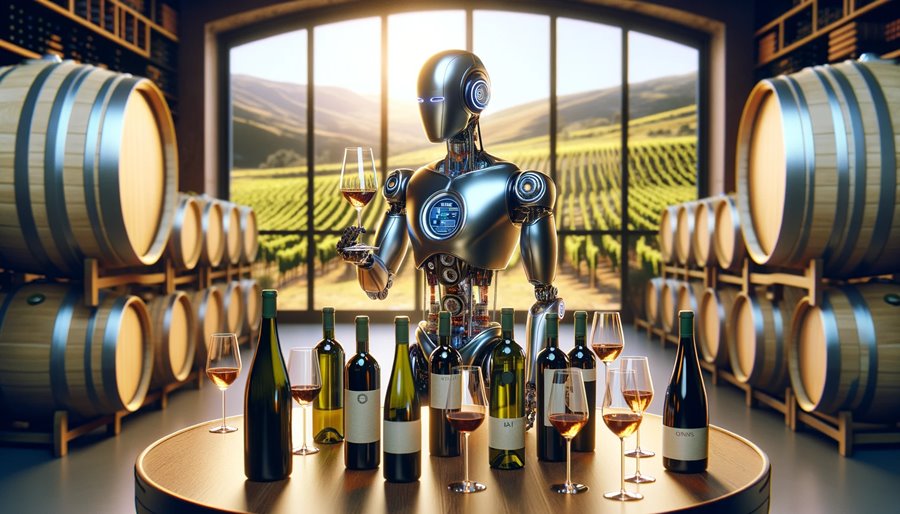
The future of winemaking will likely involve greater collaboration between human expertise and artificial intelligence. Although AI can analyze large amounts of information and automate repetitive tasks, experienced winemakers remain essential for understanding flavor, creativity, tradition, and craftsmanship.
As AI technology becomes more accessible, small and large wineries alike may benefit from data-driven production methods and improved customer engagement. Combining traditional winemaking knowledge with modern innovation can create exciting opportunities for the industry.
Conclusion
AI is set to revolutionize the future of the wine industry by improving vineyard management, production quality, marketing strategies, and sustainability. Its ability to analyze data and support smarter decisions can help wineries operate more efficiently while meeting changing consumer expectations. Although technology cannot replace the creativity and experience of skilled winemakers, it can become a valuable partner in the winemaking process. The combination of artificial intelligence and traditional craftsmanship will help shape a more innovative and sustainable wine industry.